Museum of the Met dedicated to Medieval European art, architecture, and gardens.
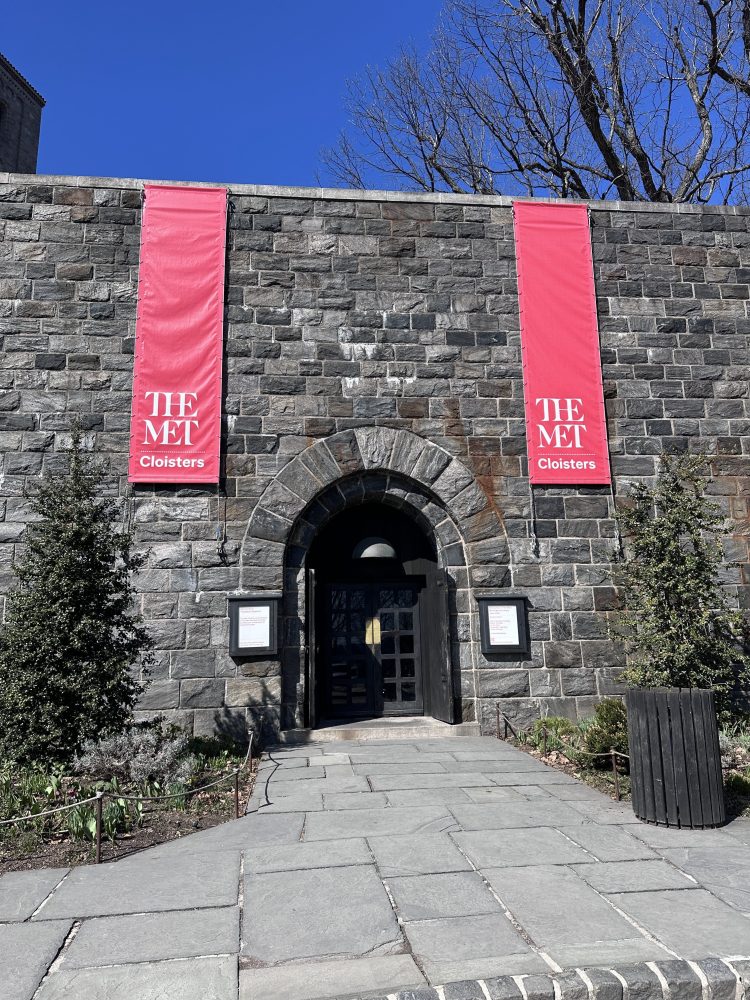
This museum of the Met in New York City houses a large collection of artwork from Europe. The Met Cloisters can be found in Fort Tryon Park, in upper Manhattan, right along the Hudson River. For all you New Yorkers, that would be up at the 190th area. With a beautiful view along the river its location is ideal for the look and feel of a long ago built cloistered monastery. This is precisely the point of its design, to look and feel as it has been there for ages.
We made our visit after morning mass at the nearby Mother Cabrini Shrine. It was a nearby walk from the shrine. As we made our way over we could see part of the external gardens and upon its approach had us thinking we were truly making our way up a large hill to a monastery. Absolutely beautifully designed, set above Fort Tryon Park, it is a great location for this collection.
As part of the Met this museum is generally free to locals of NY and NJ, and students of surrounding states. They have a “pay what you wish” admission policy. Children 12 and under are free and if you plan your visit to before noon the museum is not as crowded.
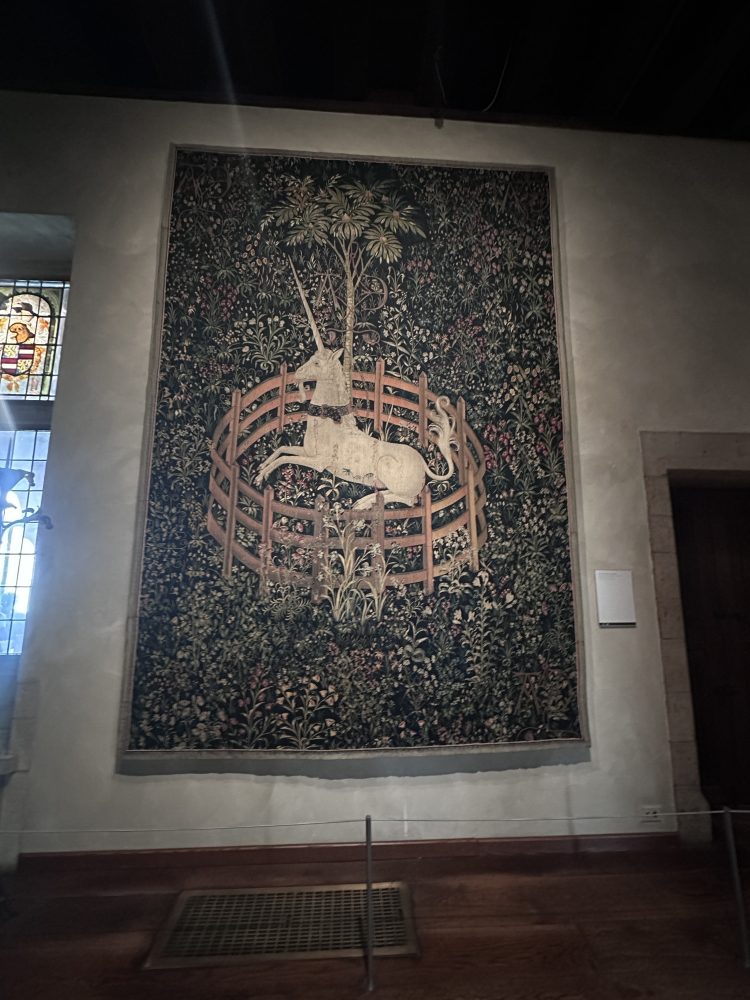
This museum is known for its collection of Unicorn Tapestries. THE Unicorn tapestries from the late 1400s. They are all in one room that is very heavily monitored. In addition to the Unicorn collection the museum has an incredible amount of architectural pieces from numerous Medieval era monasteries. Masterfully pieced together, arches, doors, window, stained glass, crypts, has you feeling as though you are walking around in an ancient abbey. It is designed to evoke the feeling of medieval European monastic life. This is superbly achieved.
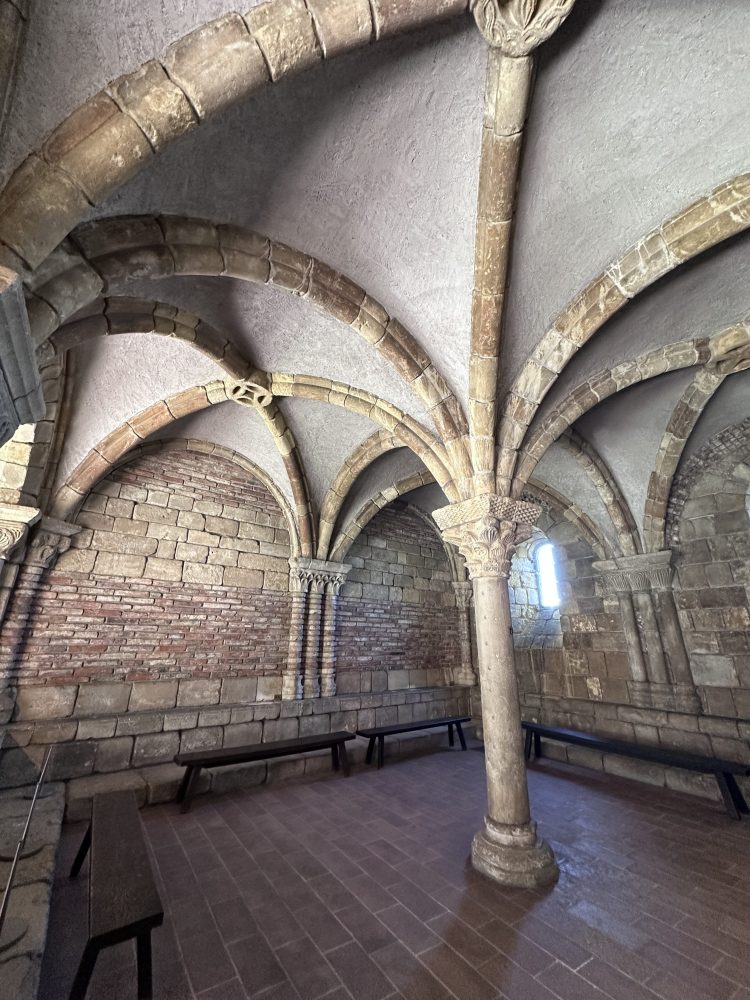
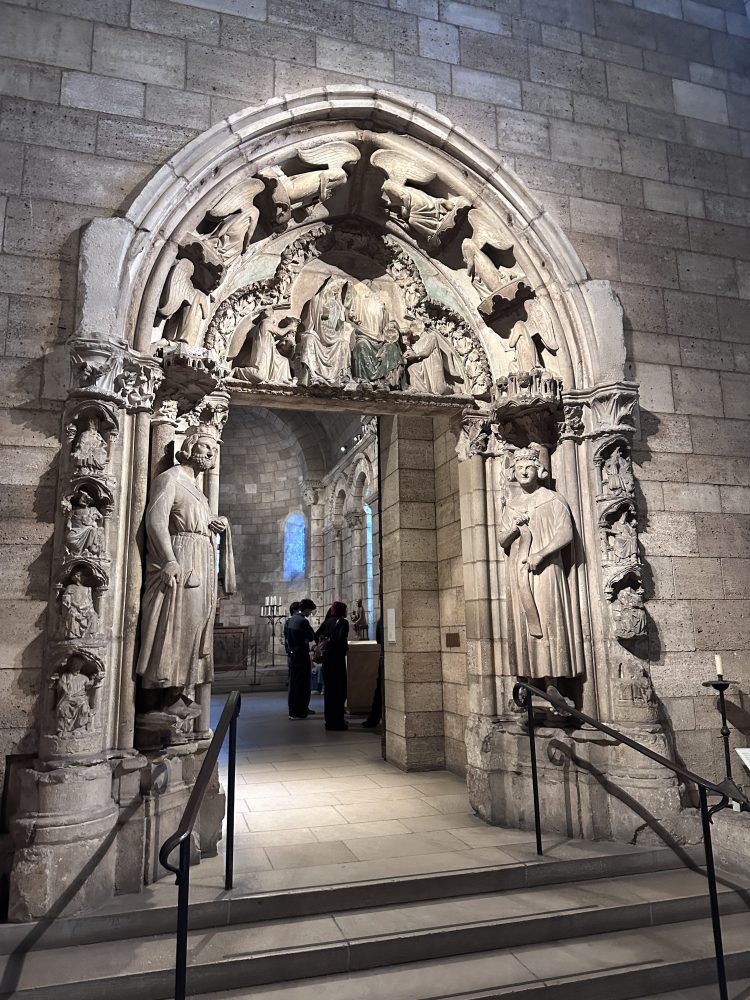
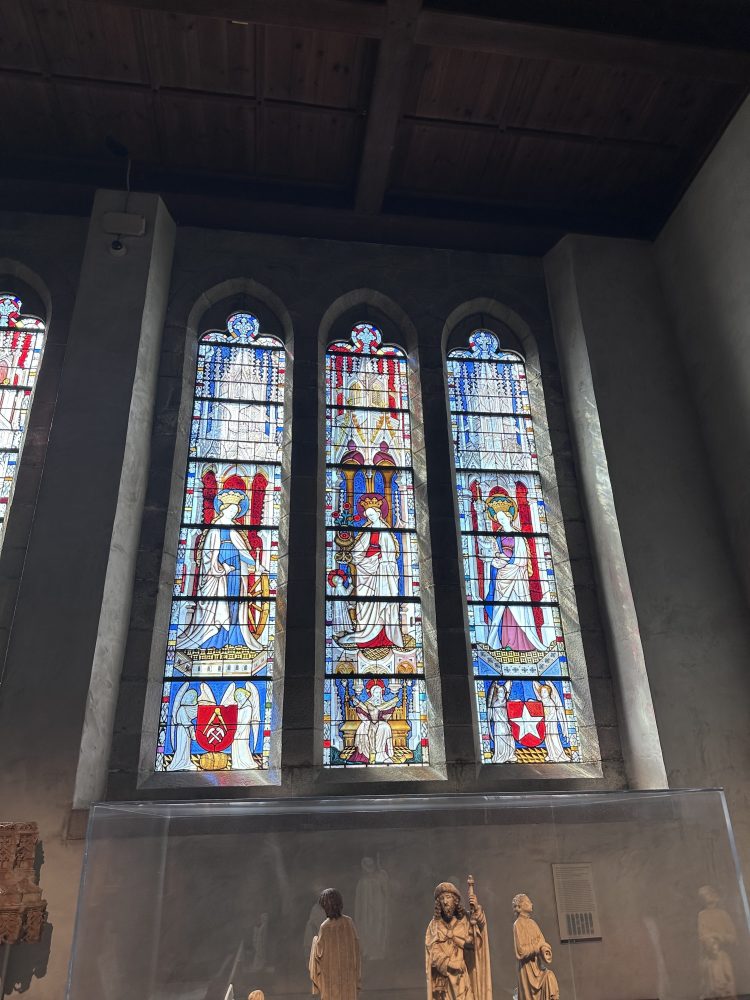
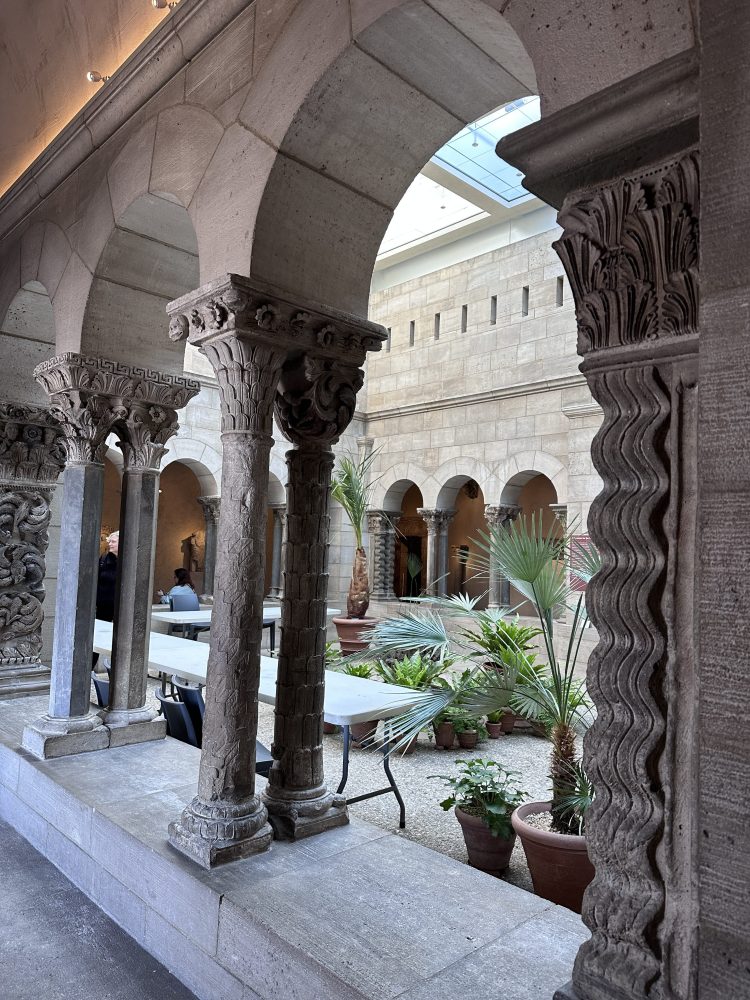
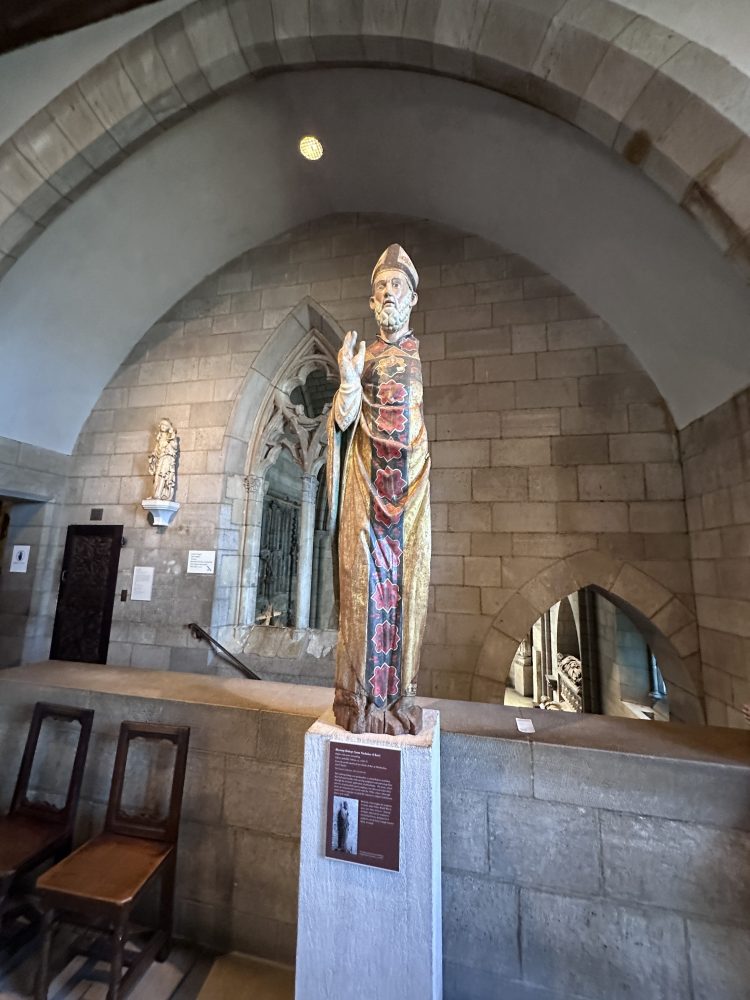
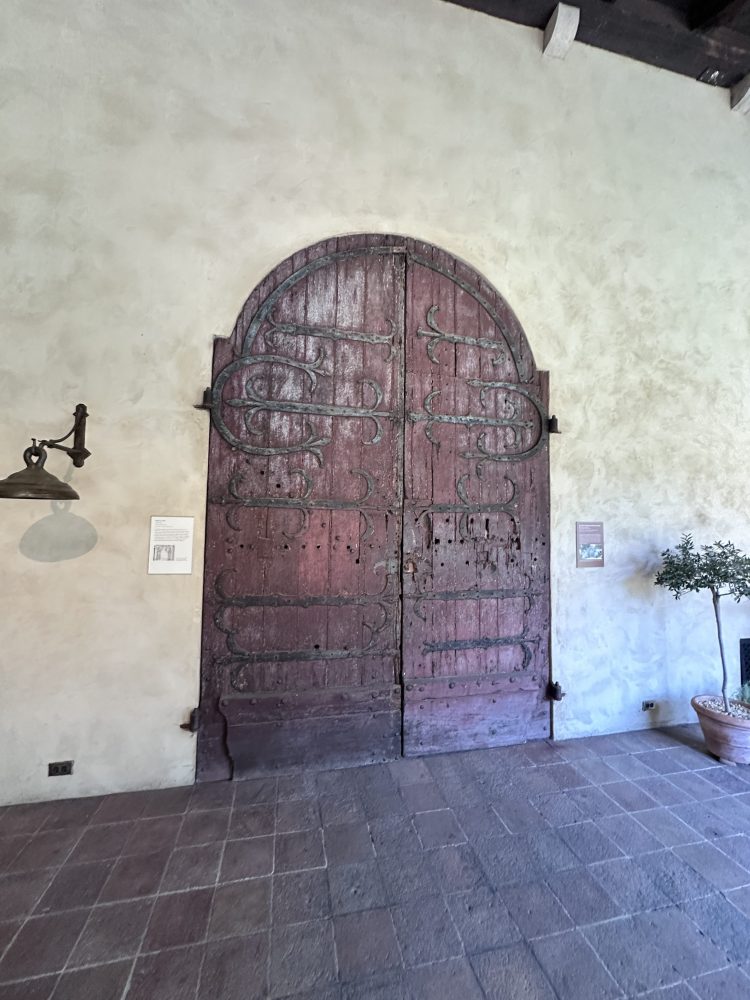
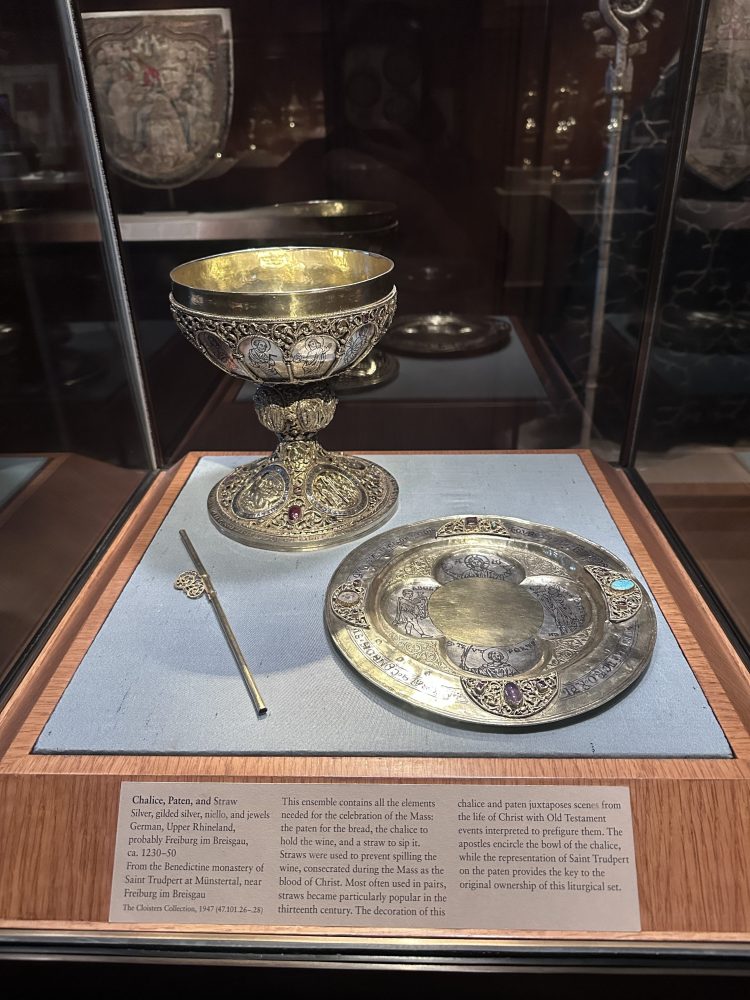
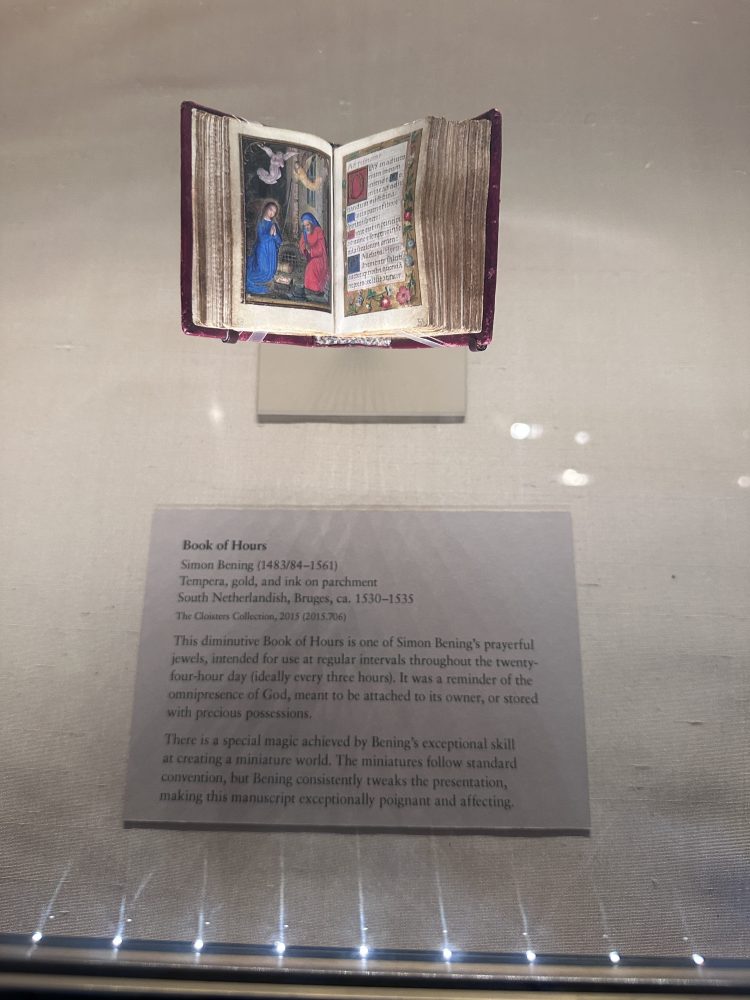
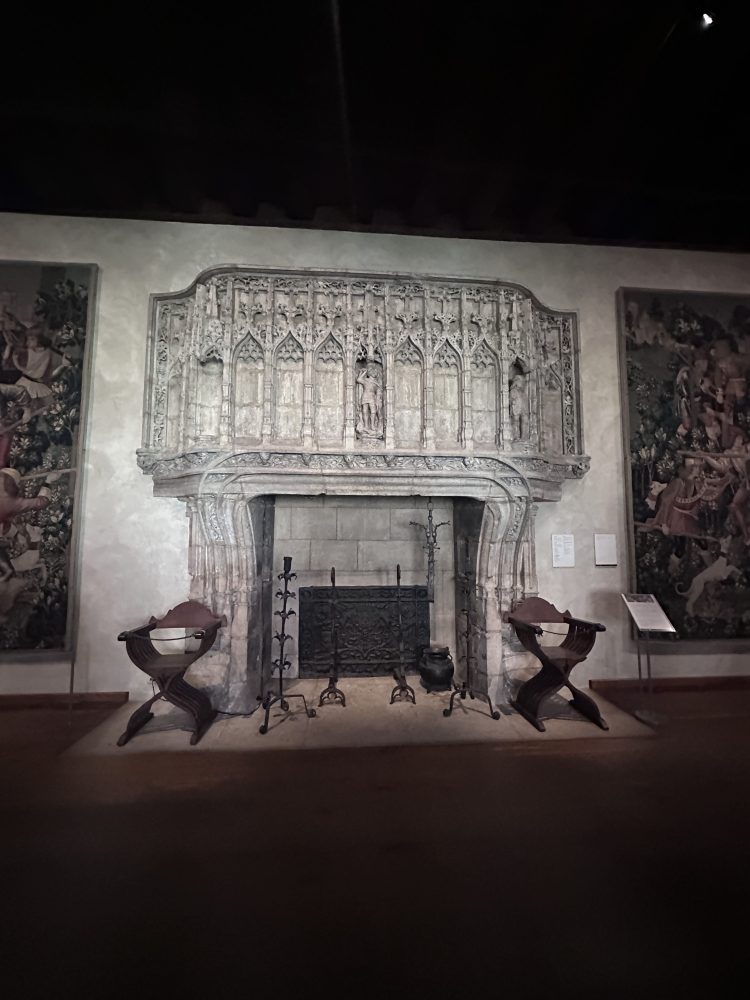
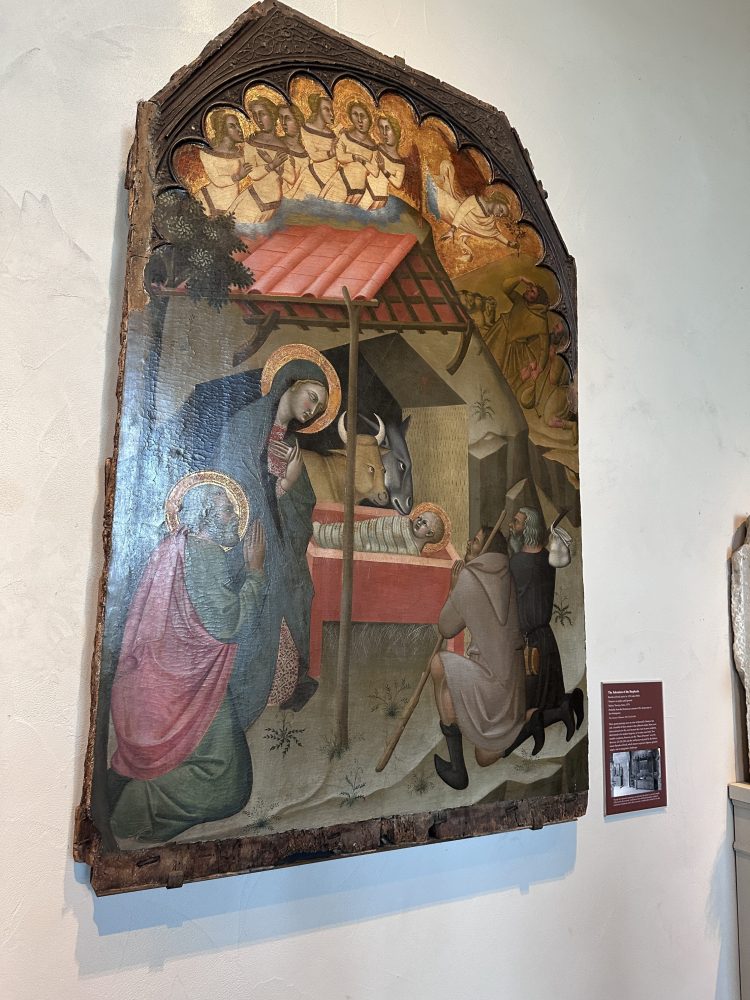
All of the collection was brought together by the usual old money philanthropists of NYC. The museum was built in the mid-1930s based on the personal collection of George G. Barnard. The collection was expanded to fill out the museum keeping to the eras and the theme. It has a vast collection of Catholic arts. This is why we chose to visit the museum to see the collection. We highly recommend visiting this museum. Its collection is so amazing and its unique design will leave you feeling as though you walked through time stumbling upon a long forgotten abbey deep in a forest.
Visit March 28, 2026

